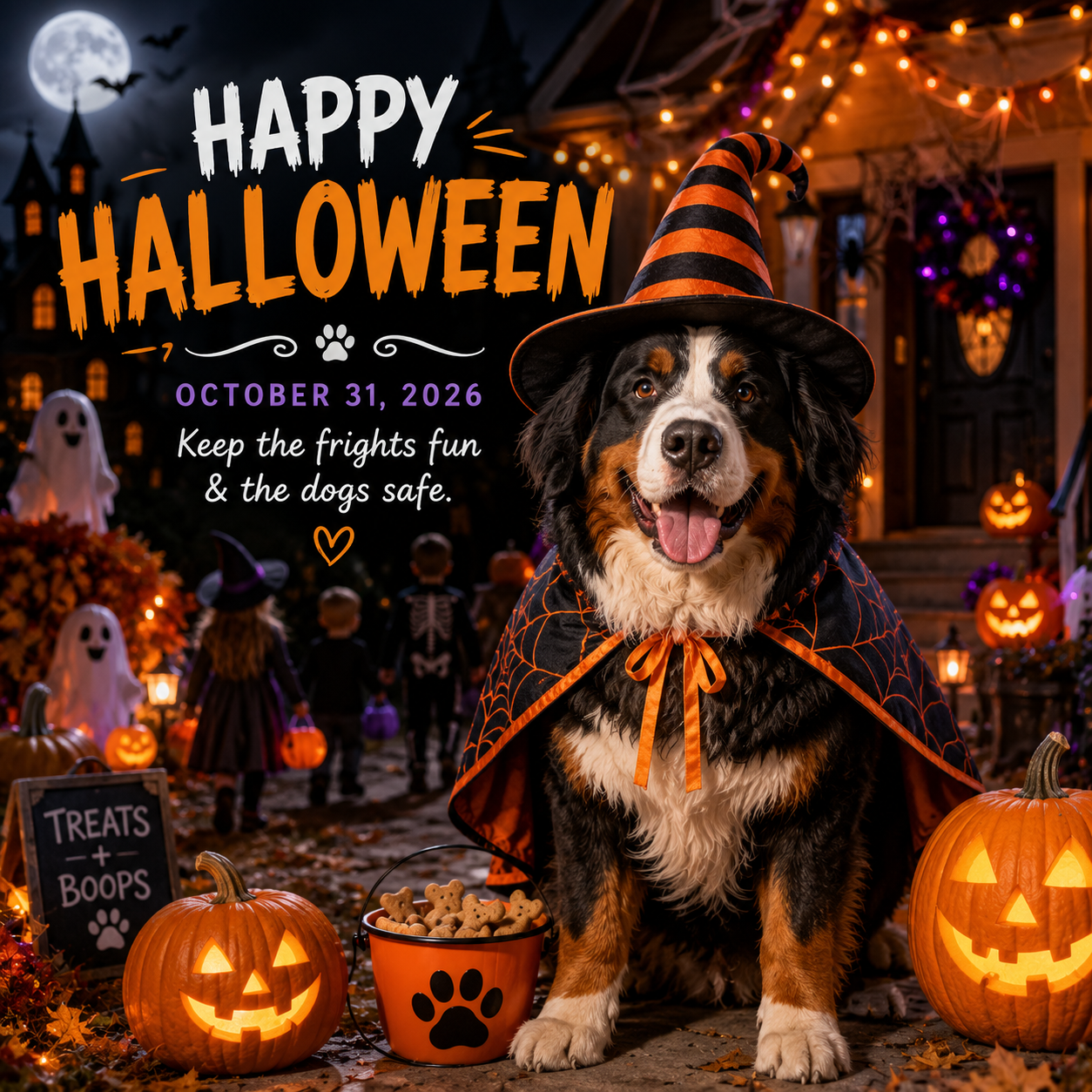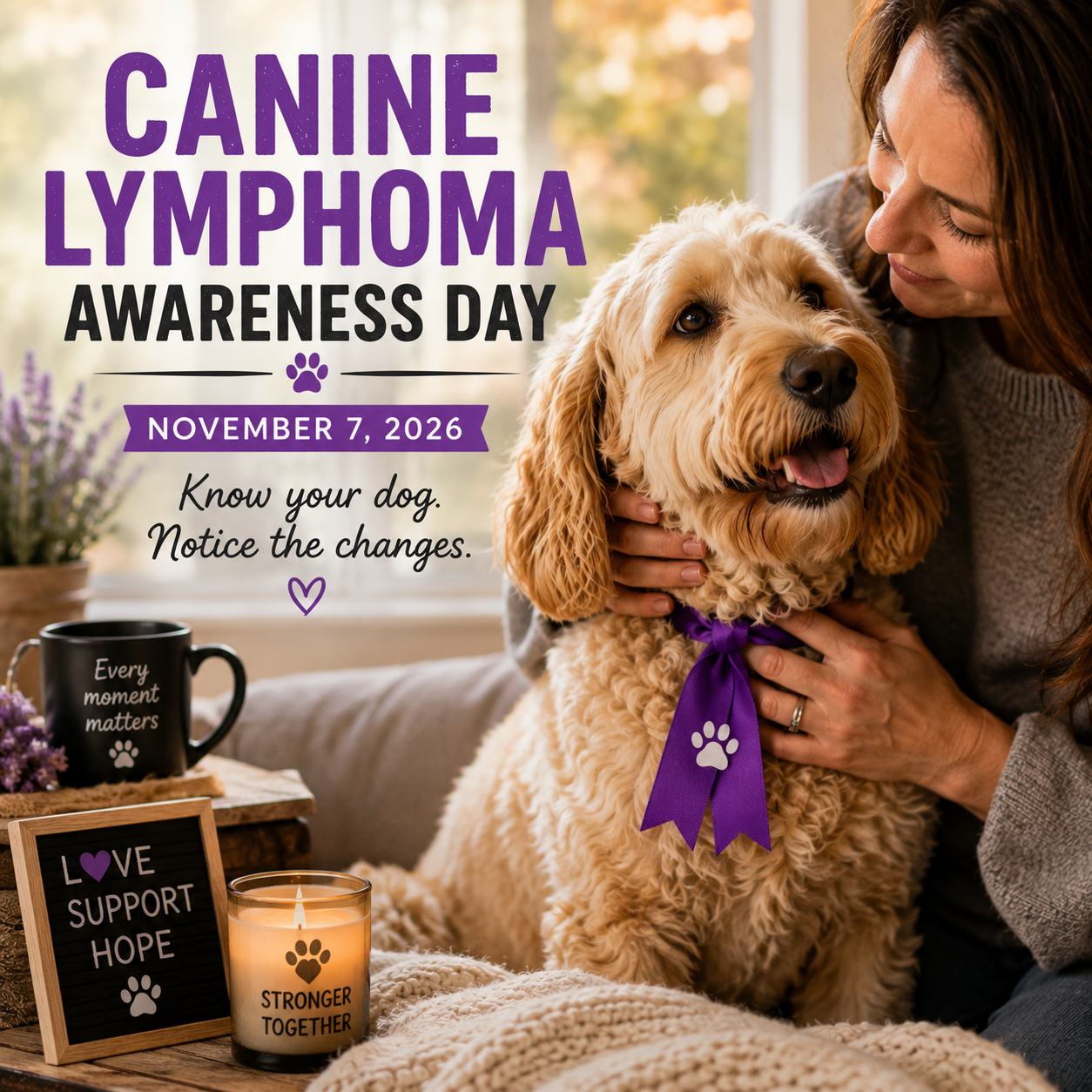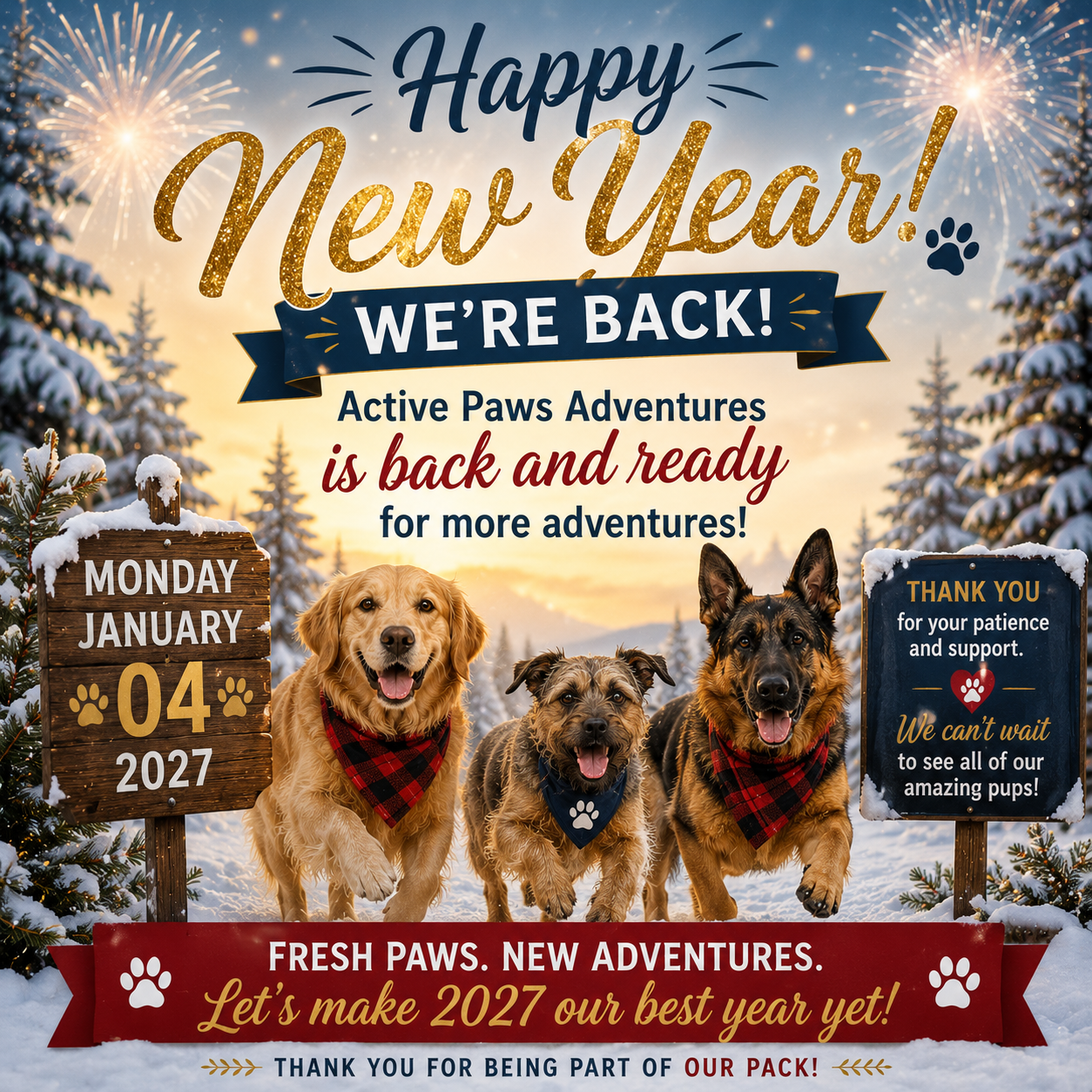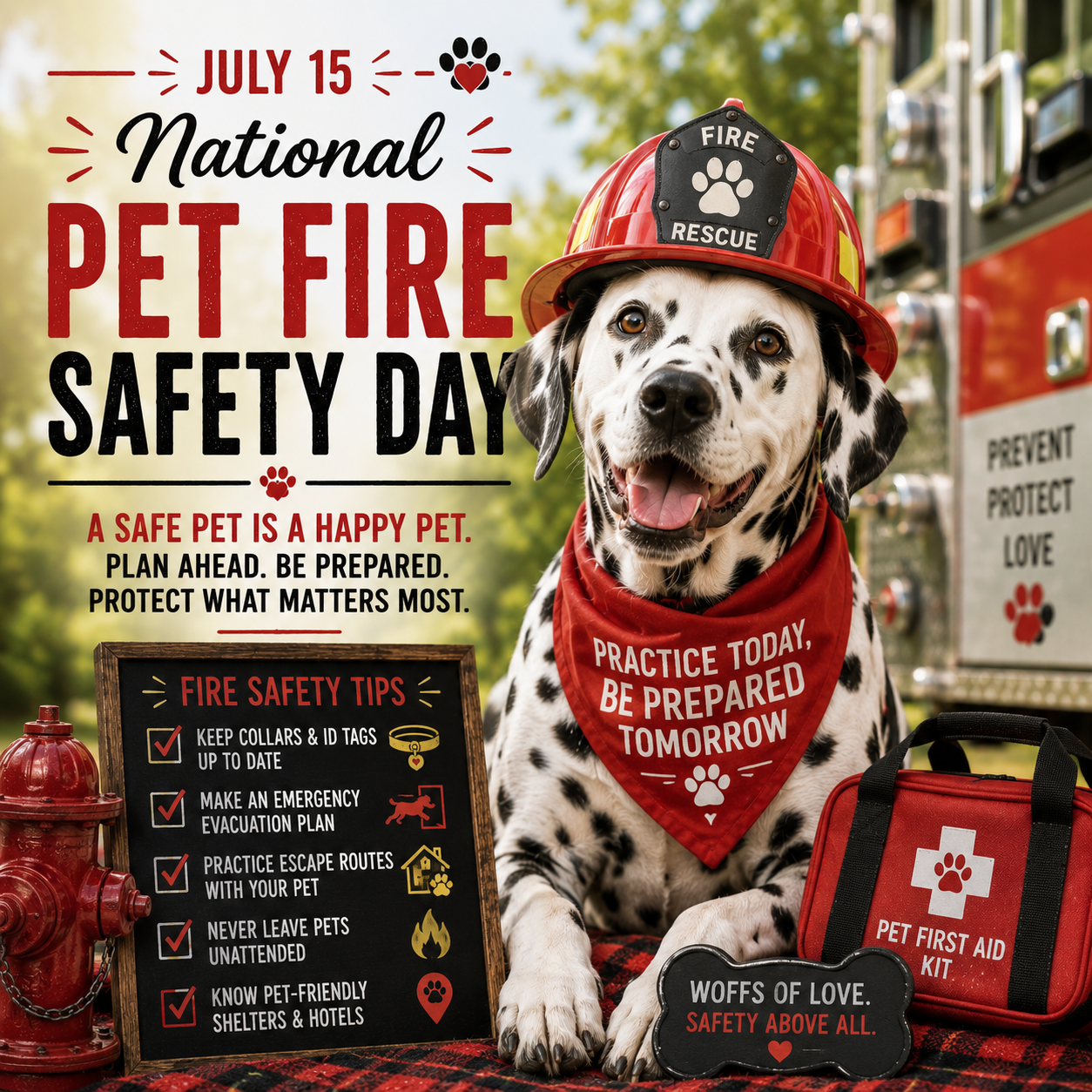
National Pet Fire Safety Day
National Pet Fire Safety Day is an important reminder to include our pets in every household emergency plan.
In an emergency, preparation can make all the difference. Simple steps such as keeping collars and ID tags up to date, displaying a pet alert sticker near your entrance, securing loose stove knobs, keeping open flames out of reach, and planning how you would safely evacuate with your pets can help protect the animals who depend on us.
Take a few minutes today to review your home and ask:
🐾 Are your pet’s ID tags and contact information current?
🐾 Do you have a leash or carrier easily accessible?
🐾 Is your pet included in your household evacuation plan?
🐾 Do you have an emergency contact who could help if you’re away from home?
🐾 Do first responders know how many pets live in your household?
A little preparation today can help protect the paws waiting for us at home tomorrow.
Stay prepared. Stay safe. Protect every paw. ❤️🐾
— Active Paws
World Ranger Day
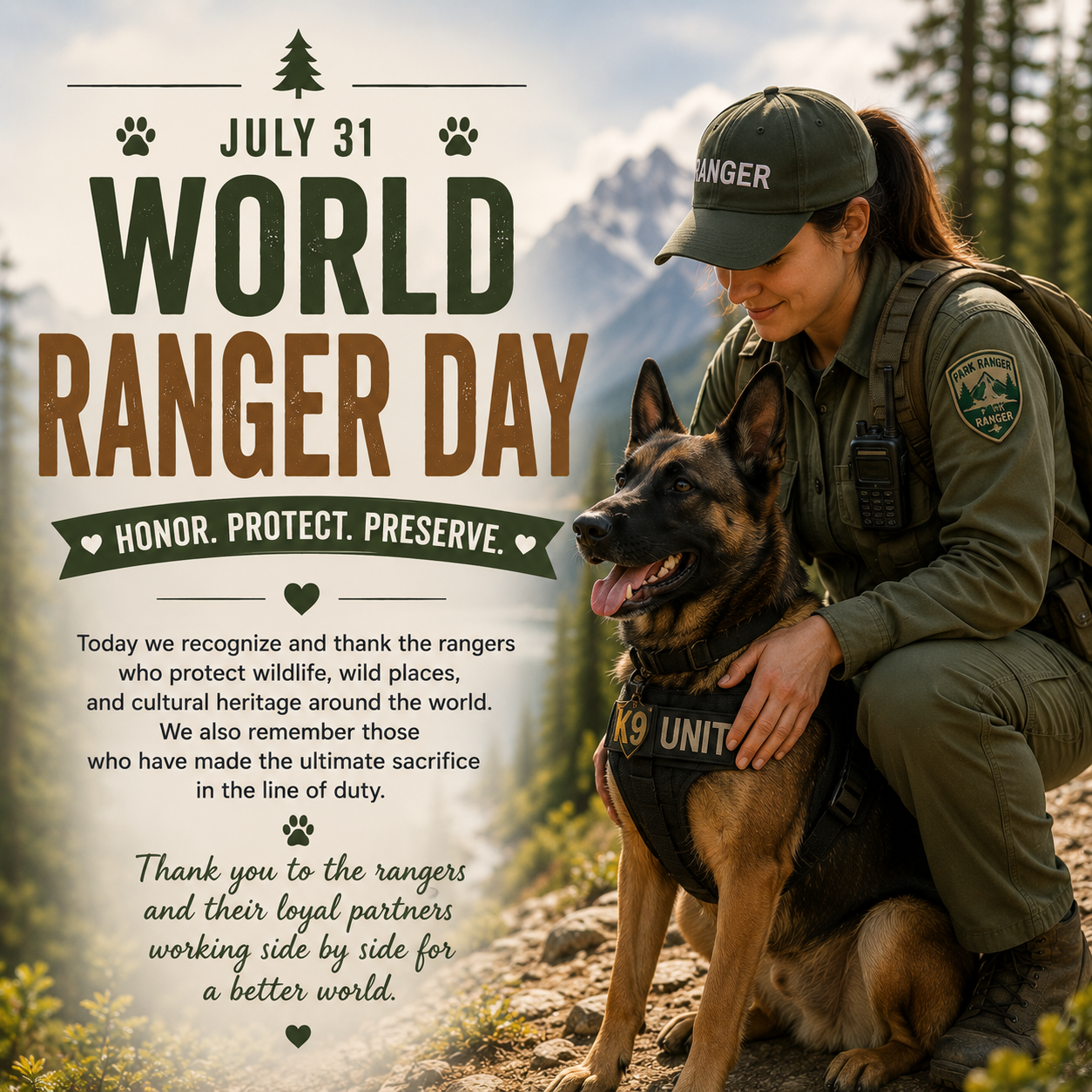
Today, we recognize the rangers who work around the world to protect natural spaces, wildlife, cultural heritage, and the wild places future generations deserve to experience.
World Ranger Day is also a day of remembrance — honouring rangers who have lost their lives or been injured in the line of duty while protecting the places and species in their care.
🐕 Protecting the Wild, Side by Side
Dogs have long worked beside people, and conservation work is another powerful example of that partnership.
Specially trained conservation and working dogs may support teams by using their extraordinary sense of smell and tracking abilities. Depending on their training and role, these dogs can assist with tasks connected to wildlife protection, detection, tracking, and conservation efforts.
Behind every working dog is also a human partnership built on trust, communication, training, and countless hours spent learning to work together.
🌲 What Can Everyday Dog Owners Do?
You don’t have to be a ranger or have a conservation dog to help protect the places we explore with our pets.
When adventuring with your dog:
🐾 Respect leash requirements and posted trail rules
🐾 Give wildlife plenty of space
🐾 Never allow dogs to chase or harass wild animals
🐾 Pack out waste and leave natural areas as you found them
🐾 Stay on designated trails where required
🐾 Respect seasonal closures and protected habitats
🐾 Remember that sharing the outdoors means protecting it too
Every responsible choice helps keep trails safer for dogs, wildlife, other visitors, and the people who care for these spaces.
Today, we honour the rangers protecting our world, remember those who have made the ultimate sacrifice, and recognize the remarkable human-dog partnerships working side by side in service of something bigger.
Protecting the wild. Respecting the trail. Walking forward together. 🌲🐾
— Active Paws
Heritage Day
Heritage Day is a time to celebrate the people, places, cultures, and traditions that help shape the communities we call home.
For dog owners, heritage can also be seen in the special bond between humans and dogs — a relationship built over generations through companionship, work, protection, loyalty, and everyday life together.
Across many cultures, dogs have walked beside people as helpers, guardians, herders, hunters, travel companions, and beloved family members. Today, that connection continues in a softer but meaningful way: through neighbourhood walks, shared routines, outdoor adventures, and the trust we build with our dogs every day.
This Heritage Day, we celebrate not only Alberta’s rich history and community spirit, but also the dogs who remind us that belonging is built through connection, care, and walking forward together.
Honouring the past. Celebrating community. Walking together.
— Active Paws
Check the Chip Day
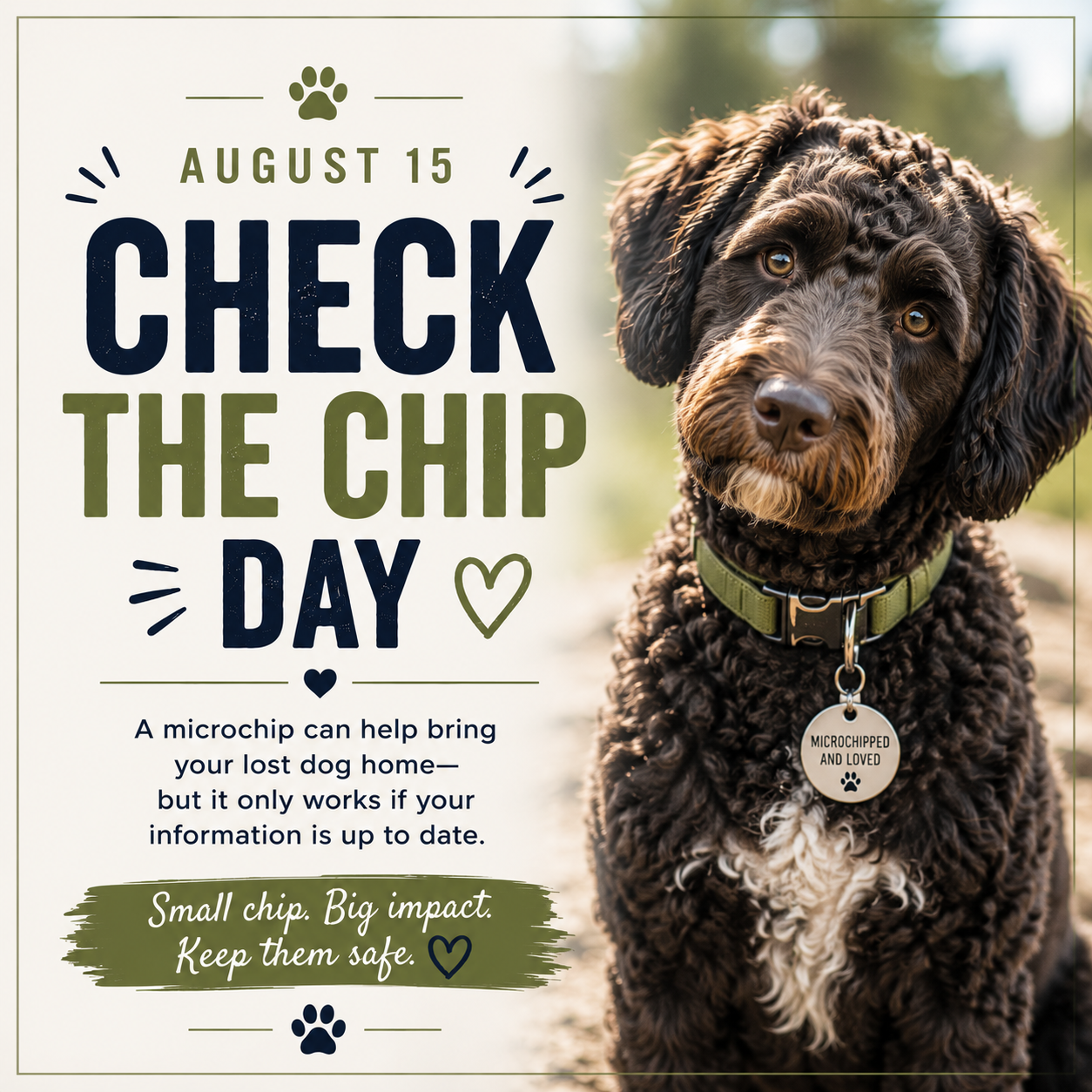
A tiny chip can make a big difference — but only if the information connected to it is accurate and up to date.
Check the Chip Day is an important reminder for dog and pet owners to confirm that their pet is microchipped, make sure the chip can be detected, and verify that the contact information registered to that microchip is current.
🐾 First, What Does a Microchip Actually Do?
A pet microchip is a small identification device placed under the skin by a qualified veterinary professional. Each chip carries a unique identification number that can be read with a compatible scanner.
If a lost pet is found and brought to a veterinary clinic, animal shelter, animal control facility, or another organization with access to a scanner, the chip number may help connect that pet back to their registered owner.
📍 Important: A Microchip Is Not a GPS Tracker
This is one of the biggest misunderstandings about pet microchips.
A standard microchip:
🐾 Does not show your dog’s live location
🐾 Does not track where your dog has travelled
🐾 Does not require charging
🐾 Does not replace a collar and visible ID tag
Instead, it provides permanent identification that stays with your pet.
⚠️ The Chip Is Only Part of the Process
Having your dog microchipped is not enough on its own.
If you have changed your:
🐾 Phone number
🐾 Home address
🐾 Email address
🐾 Emergency contact
🐾 Last name
…your dog’s microchip registration may still contain outdated information.
That can create a serious problem if your dog becomes lost and someone is trying to reach you.
🔎 Your Check the Chip Day Checklist
Take a few minutes today to:
🐾 Confirm your dog has a microchip. If you are unsure, ask your veterinary clinic to scan your dog.
🐾 Locate your dog’s microchip number. Check adoption paperwork, veterinary records, registration documents, or contact the organization that implanted the chip.
🐾 Confirm which registry holds your information. Knowing the chip number is important, but owners should also know where their contact details are registered.
🐾 Review your contact information. Make sure your current phone number, email address, and other relevant details are correct.
🐾 Update emergency contacts. Choose someone who can be reached if you are unavailable.
🐾 Keep visible identification current too. A collar with an up-to-date ID tag can often help someone contact you quickly without needing access to a scanner.
🏠 Recently Adopted or Rehomed a Dog?
This is especially important.
If a dog has changed owners, do not assume the microchip registration automatically changed too. Confirm that the ownership and contact information associated with the chip has been properly updated through the appropriate registry.
📍 Edmonton Pet Owners: What If Your Dog Goes Missing?
If your dog goes missing in Edmonton, act quickly.
🐾 Search the immediate area and check places where a frightened or curious dog may hide.
🐾 Check the City of Edmonton’s Lost and Found Pets database and create a lost-pet posting with a clear, recent photo and accurate information.
🐾 Contact 311 for guidance and check whether your dog may be in the care of the City of Edmonton’s Animal Care & Control Centre.
🐾 Contact your microchip registry and make sure your phone number and other contact details are current.
🐾 Notify nearby veterinary clinics, shelters, and other appropriate local animal organizations.
🐾 Share a clear lost-dog notice through trusted local community networks. Include a recent photo, the general area where your dog was last seen, the date and time, and safe contact information.
🐾 Keep checking. A dog may be found hours or days after first going missing.
🐕 Found a Lost Dog in Edmonton?
If you find a dog, safety comes first.
🐾 Do not chase a frightened dog. A scared dog may run farther away or into danger.
🐾 If the dog approaches willingly and you can safely contain them, check for visible identification such as a collar tag or City of Edmonton licence tag.
🐾 Check the City of Edmonton’s Lost and Found Pets database to see whether the dog has already been reported missing.
🐾 If the dog has a City of Edmonton tag, contact 311 for assistance.
🐾 During business hours, the City advises contacting 311 or arranging intake with the Animal Care & Control Centre.
🐾 If you cannot safely approach or contain the dog, do not put yourself or the animal at risk. Contact the appropriate local authorities for guidance.
❤️ One Important Edmonton Reminder
Within the City of Edmonton, stray animals are handled through the Animal Care & Control Centre, and the City maintains a public Lost and Found Pets database. The Edmonton Humane Society also directs people dealing with strays found inside Edmonton to the City’s Animal Care & Control Centre.
For pet owners outside Edmonton, procedures may differ by municipality or county, so check with your local animal control service or shelter.
❤️ Small Chip. Big Impact.
Dogs can become lost for many reasons — an open gate, a frightening noise, an unexpected accident, or a moment of panic.
No identification method can guarantee that a lost dog will make it home, but layers of identification can help. A registered microchip with current contact information, visible ID tags, and appropriate local licensing can all play an important role.
Take a few minutes today. Check the chip. Update the information. Help keep them safe. 🐾
— Active Paws
International Dog Day
International Dog Day is a celebration of dogs all around the world — from loyal family companions to working dogs, street dogs, rescue dogs, village dogs, therapy dogs, and every beloved pup in between.
Across countries, cultures, climates, and communities, dogs have walked beside humans for generations. They have helped us work, protected our homes, travelled with us, comforted us, taught us patience, and filled everyday life with loyalty, joy, and unconditional love.
No matter where they come from, dogs remind us of something simple and universal: connection matters.
Different Places. Different Breeds. Same Unconditional Love.
Today is a beautiful reminder to appreciate the dogs in our lives and to recognize the many ways dogs are cared for, loved, and understood around the world.
You can celebrate International Dog Day by:
🐾 Taking your dog on an extra special walk
🐾 Giving them time to sniff, explore, and enjoy the day
🐾 Supporting a rescue or animal-welfare organization
🐾 Learning about dog breeds and working dogs from other countries
🐾 Practicing responsible dog ownership in your own community
🐾 Sharing a little extra patience, play, and love
At Active Paws, we believe every dog has a story, a personality, and a place in the pack.
One world. Countless tails. Infinite love.
Happy International Dog Day from Active Paws!
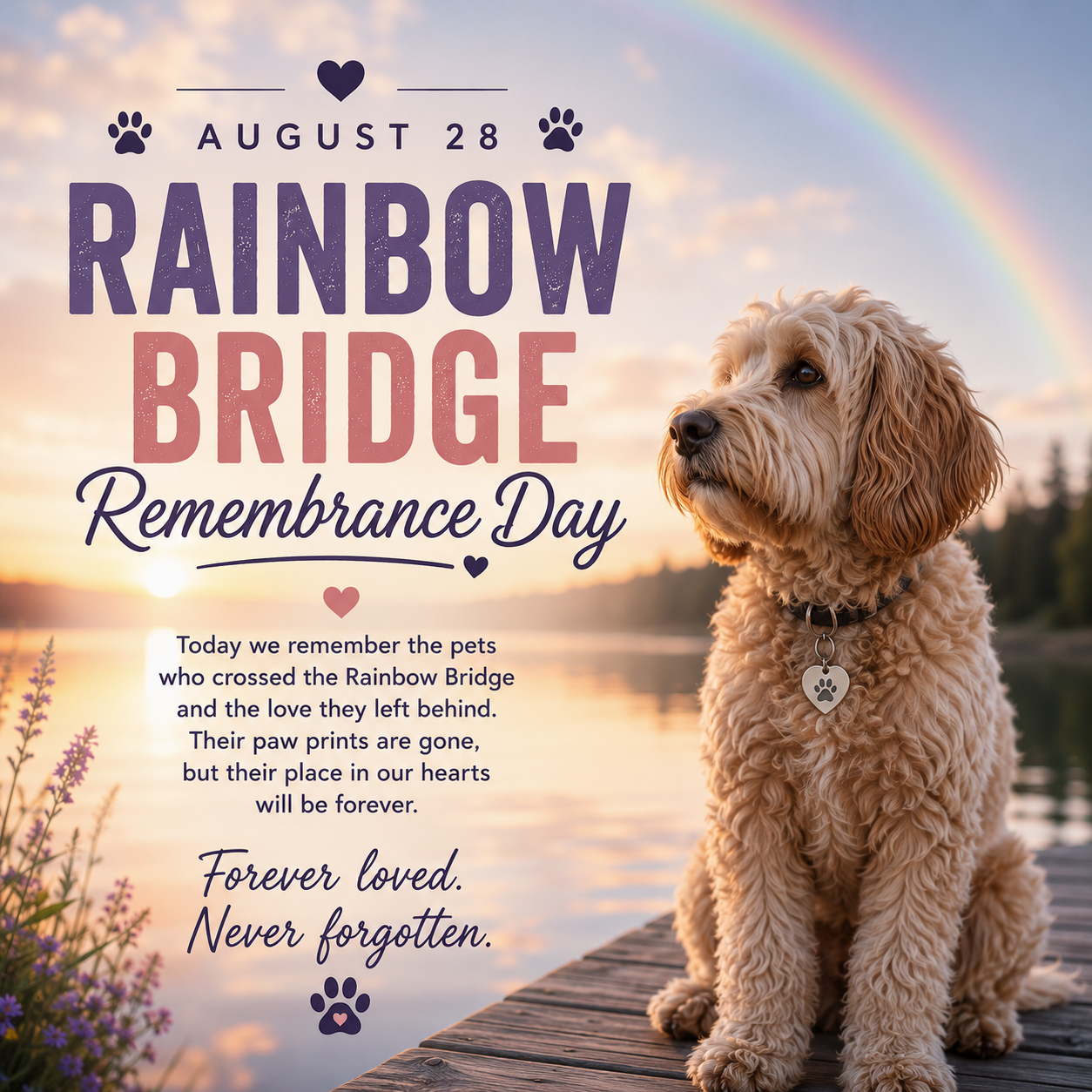
Rainbow Bridge Remembrance Day
Today, we remember the pets who are no longer walking beside us, but whose place in our lives will never be forgotten.
Rainbow Bridge Remembrance Day is a time to honour the animals we have loved and lost — the dogs who greeted us at the door, walked beside us through different chapters of life, made us laugh with their quirks, comforted us on difficult days, and became part of our families.
For many people, losing a pet means losing a companion who was woven into the rhythm of everyday life. The quiet after they are gone can be deeply felt — an empty bed, a missing set of paws at the door, a leash no longer reaching for another adventure.
Today is a reminder that their life mattered, their companionship mattered, and the love shared with them deserves to be remembered.
🌈 Ways to Observe Rainbow Bridge Remembrance Day
There is no right or wrong way to remember a beloved pet. You may want to:
🐾 Share a favourite photo or story. Post a memory that captures who they really were — the funny habits, favourite adventures, or little things that made them unforgettable.
🐾 Take a memorial walk. Visit a favourite trail, park, neighbourhood route, or special place you once enjoyed together.
🐾 Create a memory space. Display a favourite photograph, collar, tag, paw print, or small keepsake somewhere meaningful.
🐾 Plant something in their memory. A pet-safe flower, shrub, or tree can become a living tribute that changes and grows through the seasons.
🐾 Make a memory book or digital album. Gather photographs, stories, nicknames, favourite places, and the small memories you never want to forget.
🐾 Light a candle. Take a quiet moment to remember the life you shared and the ways your pet changed yours.
🐾 Donate in their honour. Consider giving food, blankets, supplies, or financial support to a local shelter, rescue, or animal-welfare organization in your pet’s name.
🐾 Help another animal. Volunteer, foster if it is right for your household, support an adoption organization, or simply share the profile of an animal waiting for a home.
🐾 Write them a letter. Put into words what you miss, what you remember, what made you laugh, and what you are grateful you experienced together.
❤️ A Simple Remembrance Activity
Take a favourite photo of your pet and write down:
One thing they taught you.
One memory that still makes you smile.
One little habit you never want to forget.
One thing you would thank them for.
Keep it somewhere safe, add it to a memory box, or share it with someone who knew and loved them too.
🐾 If Someone You Know Is Remembering a Pet Today
Sometimes the kindest thing we can do is simply acknowledge the loss.
You do not need perfect words. A simple message such as:
“I remember how much they meant to you. I’m thinking of you today.”
can mean more than trying to explain away someone’s grief.
🌈 Forever Loved. Never Forgotten.
Our dogs may only walk beside us for part of our lives, but the love, routines, adventures, lessons, and memories they leave behind can stay with us for a lifetime.
Today, we remember every muddy paw print, every familiar bark, every favourite walking route, every quiet moment, and every dog who made ordinary days feel a little more special.
For the pets we loved. For the memories we carry. For the paw prints that remain forever in our hearts. 🌈🐾
— Active Paws
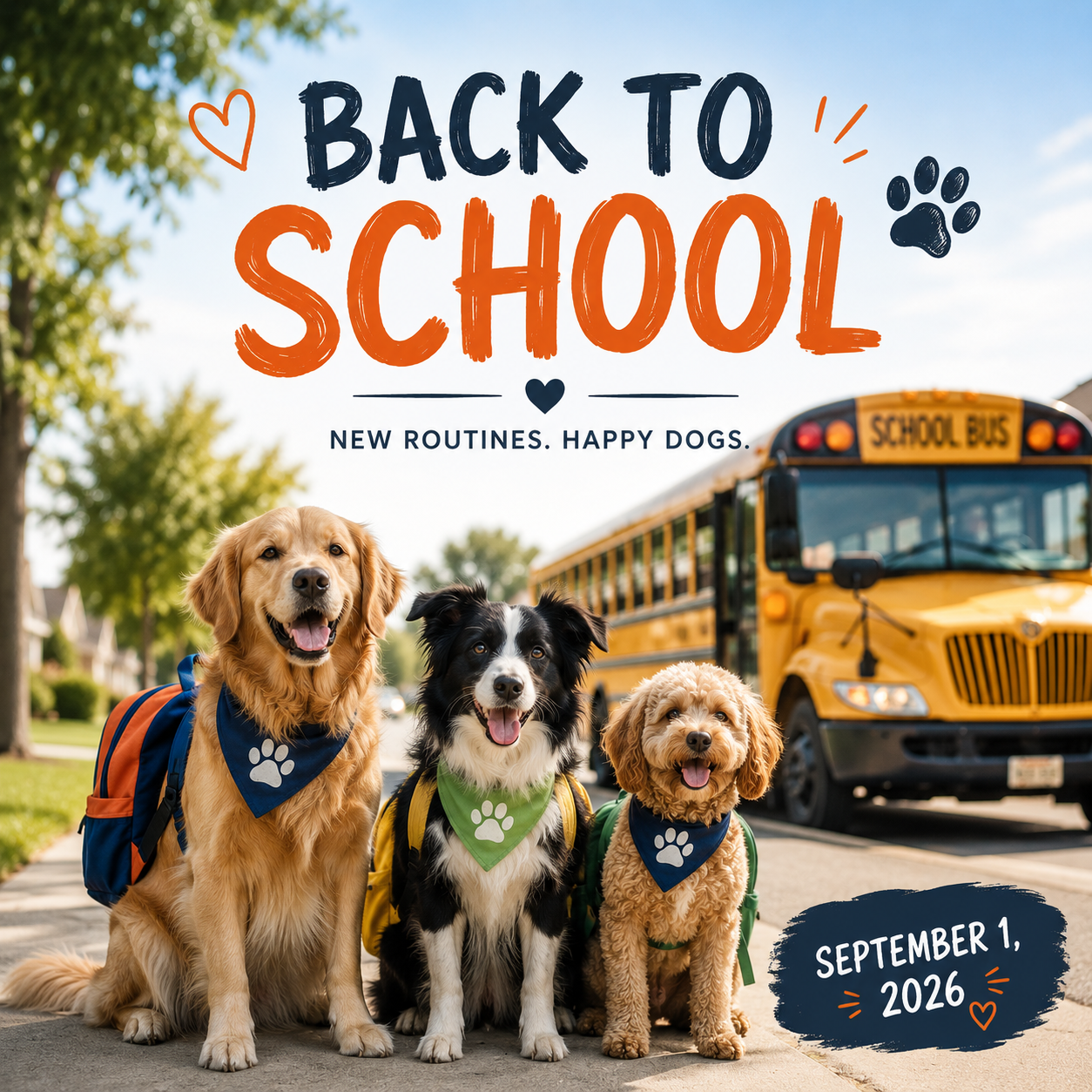
Back To School, Back To Routine
The backpacks are packed. The alarms are set. The school buses are back on the road.
Across Edmonton, many families are heading back into their fall routines — and while the humans may understand why everything is changing, our dogs do not get a school calendar.
They simply notice that life feels different.
The kids who were home during the summer are suddenly gone for much of the day. Morning routines become rushed. Walk times change. Weekday adventures may become shorter. The house gets quieter.
For some dogs, the transition is easy.
For others, back-to-school season can be a major change in their daily world.
🐕 Your Dog Notices More Than You May Realize
Dogs are often very aware of household patterns.
Over the summer, your dog may have become accustomed to:
🐾 Children being home during the day
🐾 More activity around the house
🐾 Later mornings
🐾 Extra outdoor time
🐾 More frequent attention
🐾 Family outings
🐾 Different meal times
🐾 Longer evenings outside
🐾 Someone almost always being nearby
Then September arrives.
Suddenly, shoes go on early. Doors close. The house becomes quiet. The people your dog has spent the summer following from room to room disappear for hours.
Even when a dog has previously handled school-year routines well, a summer of increased companionship can make the transition noticeable.
🎒 Back to School Can Mean Back to Routine for Dogs Too
Dogs often benefit from predictability.
They do not need every minute of every day to be identical, but a consistent rhythm can help them understand what to expect.
As your family returns to school and work schedules, consider rebuilding a routine around:
🐾 Morning bathroom breaks
🐾 Regular meal times
🐾 Appropriate daily exercise
🐾 Rest periods
🐾 Enrichment activities
🐾 Training time
🐾 Evening walks
🐾 Calm family time
The goal is not to create a rigid schedule.
It is to help your dog find their new rhythm.
🌅 Make Mornings Count
Back-to-school mornings can be chaotic.
Lunches need packing. People are looking for shoes. Someone cannot find their backpack. Everyone is watching the clock.
And somewhere in the middle of that rush is the dog.
Whenever possible, build your dog into the morning routine rather than treating their needs as the last task before everyone runs out the door.
Depending on your dog, that might mean:
🐾 A bathroom break
🐾 A short walk
🐾 Time to sniff
🐾 A few minutes of training
🐾 Breakfast through an enrichment activity
🐾 Calm attention before the household leaves
A dog does not necessarily need an exhausting workout before 8 a.m. Sometimes a thoughtful combination of movement, sniffing, routine, and enrichment can help start the day well.
👃 Do Not Underestimate the Power of Sniffing
When families become busy, dog walks can turn into:
Hurry up. Bathroom break. Back home.
But sniffing is an important part of how dogs explore and gather information about their environment.
When appropriate and safe, allowing your dog time to sniff can make an outing more meaningful.
A shorter walk with opportunities to explore may sometimes offer more enrichment than simply rushing through a longer distance.
The walk is not only transportation. For your dog, it is information.
🧠 Give Them Something to Do
If your dog is suddenly spending more time alone, consider appropriate activities that can help make the day more interesting.
Depending on the individual dog, options may include:
🐾 Food puzzles
🐾 Snuffle mats
🐾 Safe stuffed food toys
🐾 Scatter feeding
🐾 Treat searches
🐾 Appropriate long-lasting chews
🐾 Rotating toys
🐾 Simple scent games
Always choose activities appropriate for your individual dog and supervise new items until you know how your dog interacts with them. Not every toy or enrichment activity is safe to leave with every dog unattended.
🐾 Watch for Changes in Behaviour
A routine change may affect dogs differently.
Pay attention if your dog begins showing new or unusual changes such as:
🐾 Increased restlessness
🐾 Difficulty settling
🐾 Increased vocalizing
🐾 Destructive behaviour
🐾 Changes in bathroom habits
🐾 Pacing
🐾 Increased clinginess
🐾 Changes in appetite
🐾 Unusual withdrawal
🐾 Distress around departure routines
A behaviour change should not automatically be dismissed as a dog being “bad,” “stubborn,” or “dramatic.”
Sometimes behaviour is information.
If changes are sudden, significant, persistent, or concerning, consider speaking with your veterinarian and, where appropriate, a qualified behaviour professional.
🏡 Practice Calm Independence
One of the kindest things we can teach dogs is that being apart from us can be safe and normal.
That does not mean ignoring a dog who is genuinely distressed.
It means thoughtfully helping dogs develop comfort with ordinary periods of independence.
Depending on the dog, this may involve:
🐾 Encouraging rest in a comfortable space
🐾 Allowing short periods of independence while people are still home
🐾 Avoiding making every departure highly emotional
🐾 Building predictable routines
🐾 Gradually preparing for schedule changes rather than changing everything overnight
If a dog shows significant distress when left alone, seek appropriate professional guidance. True separation-related problems deserve more than simply being told to “let them cry it out.”
👨👩👧👦 Give the Kids a Role Too
Back-to-school routines can be a great opportunity to teach children that caring for a dog is part of family life.
Age-appropriate responsibilities might include:
🐾 Refilling the water bowl
🐾 Helping prepare an enrichment toy
🐾 Joining an evening family walk
🐾 Practising a simple training skill
🐾 Helping with supervised treat searches
🐾 Spending calm time with the dog after school
The goal is not to place adult responsibility onto children.
It is to help build thoughtful, respectful relationships between kids and dogs.
🐕 After School Can Be Exciting
When children arrive home, some dogs become very excited.
Doors open. Backpacks drop. Voices get louder. Friends may come over. The energy of the house changes quickly.
For dogs who become overwhelmed or overexcited, consider creating a calmer arrival routine.
That might mean:
🐾 Giving the dog space from the doorway
🐾 Preventing crowding
🐾 Allowing time to settle before greetings
🐾 Supervising interactions
🐾 Using gates or other appropriate management when needed
🐾 Reminding children not to overwhelm a resting dog
Happy excitement can still become overwhelming.
A little structure can help everyone transition home safely.
❤️ A New Season, A New Rhythm
Back-to-school season is a reminder that routines change.
Children grow.
Schedules shift.
Summer ends.
And our dogs move through those changes beside us.
They may not understand why the yellow buses have returned or why the house suddenly becomes quiet every morning.
But we can help them adjust.
Keep their needs in the family schedule. Make time for movement. Let them sniff. Give them appropriate enrichment. Watch their behaviour. Build predictable routines. And remember that they are adjusting too.
Because when the family goes back to school, our dogs are also learning a new routine.
New schedules. New rhythms. Same happy dogs. 🐾🎒
— Active Paws
Labour Day
Labour Day is a time to recognize the workers whose skill, dedication, and everyday efforts help build and support our communities.
And in the dog world, some of those workers happen to have four paws.
For generations, dogs have worked alongside people in extraordinary ways. Herding dogs have helped farmers manage livestock. Search-and-rescue dogs have assisted in emergencies. Service dogs support people with greater independence. Detection dogs use their remarkable noses to perform specialized work, while therapy and support dogs bring comfort in places where it is needed most.
Even the family dog carries a long history shaped by purpose, partnership, and cooperation between humans and dogs.
At Active Paws, we also recognize that dogs thrive when they have meaningful outlets. While most family dogs may not report for a traditional “job,” structured walks, training, enrichment, sniffing, exploring, and learning can give them healthy ways to use their natural abilities.
This Labour Day, we celebrate the hardworking people who keep our communities moving — and the remarkable working dogs who have stood beside us along the way.
Different jobs. Different paws. One incredible partnership. 🐾
Happy Labour Day from Active Paws!
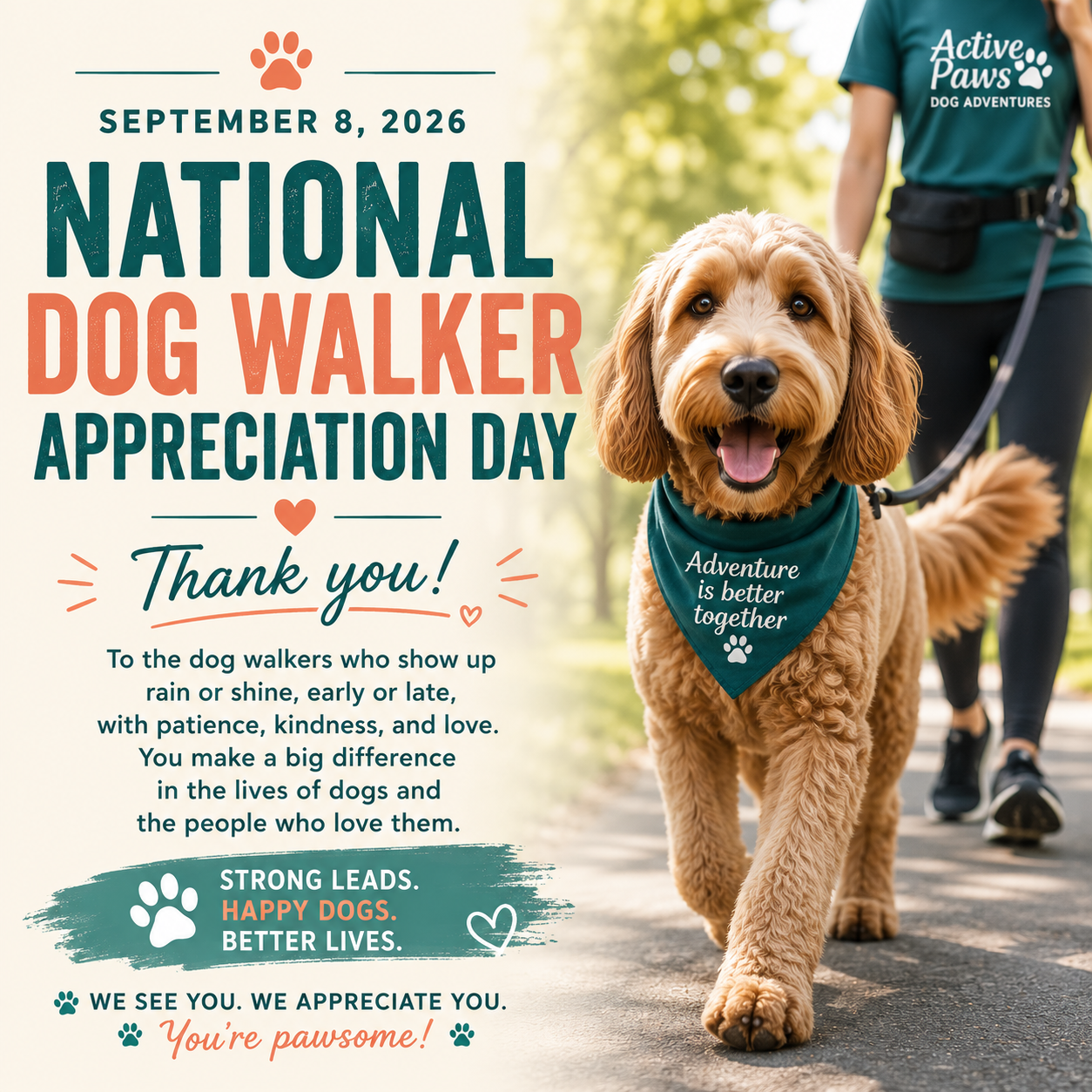
National Dog Walker Appreciation Day
Today, Active Paws is proud to recognize and celebrate the professional dog walkers who show up every day for the dogs and families in their communities.
To our fellow dog walkers — we see you, and we appreciate you.
This work is so much more than simply taking a dog for a walk.
It is early mornings and changing weather. Muddy trails, wet leashes, frozen fingers, hot summer days, unexpected detours, and carefully watching the sky when conditions begin to change.
It is learning each dog as an individual.
Knowing who needs more space.
Who needs encouragement.
Who gets overwhelmed.
Who needs structure.
Who needs patience.
Who needs a slower introduction.
And who is always ready for the next adventure.
🐕 There Is a Lot Happening Behind the Leash
Professional dog walkers carry a responsibility that is not always visible from the outside.
We are entrusted with beloved family members.
That can mean:
🐾 Managing safe pickups and drop-offs
🐾 Monitoring weather and changing conditions
🐾 Reading canine body language
🐾 Managing interactions with unfamiliar dogs
🐾 Watching for wildlife, traffic, hazards, and environmental risks
🐾 Adjusting walks for individual needs and abilities
🐾 Reinforcing safe leash habits
🐾 Building trust with nervous or uncertain dogs
🐾 Managing group dynamics
🐾 Communicating with families
🐾 Making countless small decisions throughout every walk
And sometimes, it means changing the entire plan because the dog in front of us is telling us they need something different that day.
❤️ To Our Fellow Dog Walkers
Whether you walk one dog at a time, manage energetic groups, explore city neighbourhoods, adventure through trails, support senior dogs, work with puppies, or have built your own unique approach to professional dog care — today is for you.
Thank you for the early mornings.
Thank you for the kilometres walked.
Thank you for working through rain, wind, snow, mud, and those unpredictable Canadian weather days.
Thank you for learning the dogs in your care.
Thank you for noticing when something seems different.
Thank you for celebrating progress that others may never see.
Thank you for the patience, responsibility, flexibility, and heart you bring to this profession.
Most of all, thank you for helping dogs live fuller, happier, more enriched lives while giving their families trusted support and peace of mind.
🐾 From One Dog-Walking Business to Another
At Active Paws, we believe there is room to recognize the people across our industry who care deeply about doing this work well.
Today, we celebrate the independent walkers, small businesses, established teams, trail adventurers, neighbourhood walkers, and dedicated professionals who continue showing up for the dogs who depend on them.
Different businesses. Different approaches. Different adventures. One shared love for dogs.
Happy National Dog Walker Appreciation Day to our fellow dog walkers and pet-care professionals.
Keep walking. Keep learning. Keep making a difference — one dog, one walk, and one adventure at a time. 🐾
— Active Paws
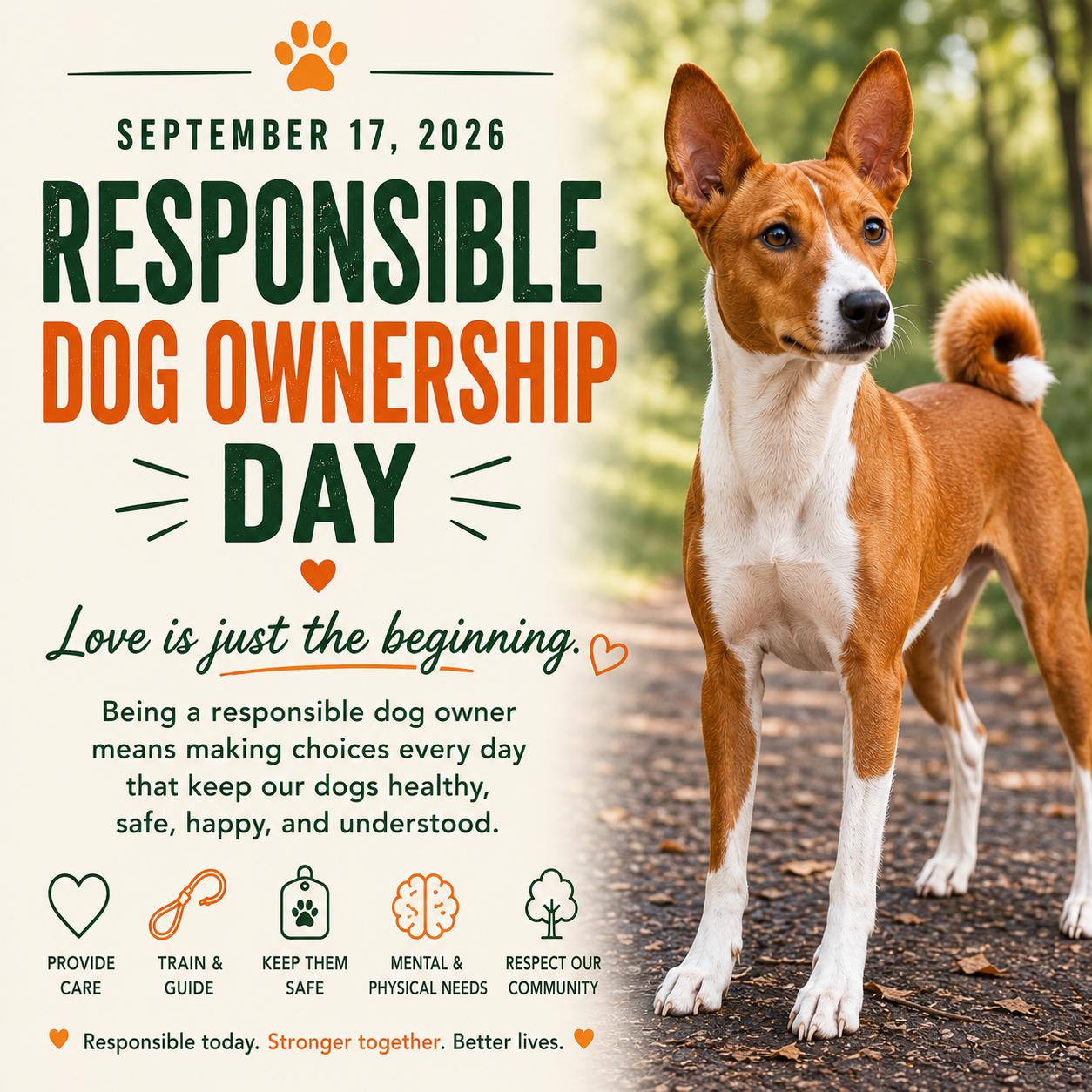
Responsible Dog Ownership Day
We love our dogs. We buy them treats, take endless photos, celebrate their birthdays, share our homes with them, and make them part of our families.
But responsible dog ownership goes beyond love.
It means making thoughtful choices every day to support a dog’s physical health, emotional well-being, safety, behaviour, and quality of life — while also considering the people, animals, and community around us.
Dogs depend on us for their entire lives. They cannot choose their veterinarian, update their identification, plan appropriate exercise, understand traffic laws, research nutrition, or decide whether a situation is safe.
That responsibility belongs to us.
🐕 Meet the Dog in Front of You
One of the most important parts of responsible dog ownership is recognizing that dogs are individuals.
Not every dog:
🐾 Wants to greet unfamiliar dogs
🐾 Enjoys busy dog parks
🐾 Is comfortable around children
🐾 Can safely be off leash
🐾 Needs the same amount of exercise
🐾 Enjoys being touched by strangers
🐾 Thrives in large social groups
🐾 Learns at the same pace
🐾 Handles new environments easily
Responsible ownership means paying attention to the dog you actually have, rather than expecting them to behave like every other dog.
A shy dog may need more space.
A young dog may need help learning impulse control.
A senior dog may need shorter, gentler outings.
A high-energy dog may need more appropriate physical and mental outlets.
A reactive dog may need thoughtful management and professional support.
Understanding your dog is part of caring for them.
🩺 Provide Appropriate Health Care
Preventive care can play an important role in a dog’s long-term health.
Depending on the individual dog and veterinary recommendations, responsible care may include:
🐾 Regular veterinary checkups
🐾 Appropriate vaccinations
🐾 Parasite prevention
🐾 Dental care
🐾 Nail and coat maintenance
🐾 Monitoring changes in weight
🐾 Watching for changes in movement or mobility
🐾 Paying attention to appetite, thirst, sleep, and behaviour
Dogs cannot tell us directly when something hurts.
A sudden behaviour change is not always a “training problem.” New irritability, reluctance to move, sensitivity to touch, unusual withdrawal, or changes in normal routines can sometimes signal discomfort or illness and deserve attention.
🧠 Meet Mental Needs, Not Just Physical Ones
A tired dog is not automatically a fulfilled dog.
Physical exercise matters, but dogs also benefit from opportunities to:
🐾 Sniff
🐾 Explore
🐾 Problem-solve
🐾 Learn
🐾 Chew appropriate items
🐾 Search and forage
🐾 Rest without interruption
🐾 Experience safe novelty
🐾 Engage in activities suited to their individual needs
A slow sniff walk may sometimes offer more meaningful enrichment than rushing through a longer route.
Responsible ownership asks:
What does my dog need from this experience?
🎓 Training Is Communication
Training should help dogs understand how to navigate a human world.
Useful everyday skills may include:
🐾 Walking safely on leash
🐾 Coming when called
🐾 Waiting at doors
🐾 Leaving unsafe objects alone
🐾 Settling when appropriate
🐾 Handling routine care
🐾 Moving away from distractions
🐾 Checking in with their handler
Training is not about creating a perfect dog.
It is about building communication, predictability, safety, and trust.
And when a challenge is beyond your experience, seeking qualified professional support is part of responsible ownership — not a failure.
🐾 Respect Other Dogs’ Space
A friendly dog is not automatically entitled to greet another dog.
This is one of the most important pieces of responsible dog ownership in shared spaces.
Another dog may be:
🐾 Nervous
🐾 Recovering from surgery
🐾 In training
🐾 Elderly
🐾 Reactive
🐾 Injured
🐾 Newly adopted
🐾 Uncomfortable with unfamiliar dogs
Do not assume every dog wants to say hello.
Ask before allowing greetings, maintain control of your leash, and respect requests for space.
“My dog is friendly” does not remove another dog’s right to distance.
🦮 Use Leashes Responsibly
Responsible leash use is about more than following rules.
It helps protect dogs from:
🐾 Traffic
🐾 Wildlife encounters
🐾 Unsafe greetings
🐾 Getting lost
🐾 Running toward frightened people
🐾 Approaching dogs who need space
🐾 Entering environmentally sensitive areas
Off-leash freedom should only happen where it is permitted and where the dog can be managed safely.
A leash is not a punishment. In many environments, it is a safety tool.
🏷️ Keep Identification Current
Dogs can become lost unexpectedly.
Responsible owners should consider layers of identification, including:
🐾 A visible ID tag
🐾 Current contact information
🐾 Appropriate municipal licensing where required
🐾 A registered microchip with updated information
Remember: a standard microchip is not GPS. It can only help if the chip is scanned and the associated registration information can connect the finder to the owner.
🏡 Provide Safe Management at Home
Responsible ownership also means preventing avoidable problems before they happen.
That may include:
🐾 Secure fencing
🐾 Safe gates and doors
🐾 Proper storage of medications
🐾 Keeping toxic foods and substances inaccessible
🐾 Supervising interactions when needed
🐾 Providing a safe resting space
🐾 Using appropriate restraints during vehicle travel
🐾 Planning ahead for visitors, deliveries, or stressful events
Management is not “cheating.”
Sometimes the most responsible choice is simply preventing a dog from being placed in a situation they are not ready to handle.
🌲 Respect the Community You Share
Dog ownership comes with responsibilities beyond our own homes.
That includes:
🐾 Picking up waste
🐾 Following local leash requirements
🐾 Preventing dogs from rushing strangers
🐾 Respecting wildlife
🐾 Protecting natural spaces
🐾 Avoiding uncontrolled greetings
🐾 Being considerate on shared trails and pathways
🐾 Recognizing that not everyone is comfortable around dogs
Responsible dog ownership helps create safer communities for dogs and people.
❤️ Advocate for Your Dog
Sometimes responsible ownership means saying no.
No, my dog does not want to be petted.
No, we are not greeting today.
No, this environment is too overwhelming.
No, my dog is not ready for that.
No, we are leaving.
Advocating for your dog means recognizing their limits and making decisions that protect their well-being — even when someone else does not understand.
🐾 Responsible Does Not Mean Perfect
Every dog owner makes mistakes.
We misread situations. We learn new information. We discover that something we once believed is outdated. We realize a dog needs more help than we expected.
Responsible ownership is not about perfection.
It is about being willing to:
🐾 Learn
🐾 Adjust
🐾 Ask questions
🐾 Seek help
🐾 Stay consistent
🐾 Make safer choices
🐾 Keep growing alongside your dog
Love is where the relationship begins.
Responsibility is how we protect it.
Today, on Responsible Dog Ownership Day, take a moment to ask:
What is one small thing I can do this year to make my dog’s life safer, healthier, happier, or better understood?
Sometimes one thoughtful change can make a meaningful difference.
Love them deeply. Learn who they are. Meet their needs. Protect their safety. Respect your community. 🐾
— Active Paws
First Day of Fall
The air is getting cooler, the leaves are beginning to change, and a brand-new season of adventures is here.
Fall is one of the best times of year to get outside with our dogs. Cooler temperatures can make walks more comfortable, the changing trails offer plenty of new scents to explore, and even a simple neighbourhood walk can feel completely different beneath the autumn leaves.
To celebrate the first day of fall, why not make today a little extra special for your dog?
🍂 Try a Fall Sniffari
Instead of focusing on distance or speed, take your dog on a slow, relaxed sniff walk and let their nose lead the adventure.
Give them extra time to:
🐾 Explore new scents
🐾 Investigate fallen leaves
🐾 Wander at a comfortable pace
🐾 Pause and observe the environment
🐾 Enjoy a little extra one-on-one time with you
For dogs, sniffing is an important form of enrichment. Sometimes the best walk isn’t the longest one — it’s the one that gives your dog time to explore.
🎃 Easy Pumpkin Dog Treats
Celebrate the season with a simple homemade fall treat.
You’ll need:
• 1 cup plain pumpkin purée
• 2 eggs
• 2½ cups oat flour
Directions:
Preheat your oven to 350°F (175°C).
Mix the pumpkin and eggs together.
Gradually add the oat flour until a workable dough forms.
Roll out the dough and cut into small, dog-sized shapes.
Place on a lined baking sheet.
Bake for approximately 20–25 minutes, or until firm.
Allow the treats to cool completely before sharing with your dog.
Important: Use plain pumpkin purée, not pumpkin pie filling, which may contain added sugar and spices. Treats should always be offered in moderation, and ingredients may not suit every dog’s dietary needs or allergies.
🍁 A New Season, A New Adventure
Whether you celebrate with a trail walk, a crunchy-leaf sniffari, a cozy afternoon at home, or a homemade pumpkin treat, we hope the season brings plenty of happy memories with your four-legged best friend.
Here’s to cooler walks, colourful trails, muddy paws, and autumn adventures. 🍂🐾
Happy First Day of Fall from Active Paws!
Remember Me Thursday
Today is about the ones still waiting.
The dog whose photo has been shared again and again.
The senior pet passed over for someone younger.
The shy dog who does not show their best self in a kennel.
The bonded pair hoping someone has room for two.
The animal in a foster home quietly waiting for the right application.
The dog from a rural community who travelled hours for another chance.
The pet who has been waiting so long that people have simply stopped noticing.
Remember Me Thursday is a day to see them again.
It is an international awareness day dedicated to shining a light on orphaned pets waiting in shelters and rescues — and remembering those who never found the homes they deserved.
🐾 Adoption in Alberta Is Bigger Than One Shelter
When many people think about adopting a pet, they immediately think of a large SPCA or humane society.
Those organizations play an important role — but they are only part of Alberta’s animal rescue community.
Across Alberta, there are also:
🐾 Independent animal rescues
🐾 Foster-based rescue organizations
🐾 Rural and small-community rescues
🐾 Breed-specific rescues
🐾 Senior and special-needs rescues
🐾 Organizations supporting northern and remote communities
🐾 Cat-specific rescues
🐾 Farm and companion-animal sanctuaries
🐾 Small volunteer-run groups working without a public shelter building
Some of these organizations operate almost entirely through foster homes.
That means the adoptable animal you are looking for may not be sitting in a large shelter facility. They may be sleeping on a foster family’s couch in Edmonton, recovering in a volunteer’s spare room, living temporarily on an acreage, or waiting with a smaller rescue organization you have never heard of before.
🔎 If You Are Thinking About Adopting, Look Beyond the First Search Result
Take time to explore.
Search beyond the largest or most familiar organization in your area.
Look at:
🐾 Local independent rescues
🐾 Foster-based organizations
🐾 Rural Alberta rescues
🐾 Municipal animal-care facilities
🐾 Breed-specific rescues
🐾 Rescue organizations in neighbouring communities
🐾 Courtesy listings for animals needing new homes
A pet several hours away may be the right match for your household.
A smaller rescue may have exactly the kind of dog you are looking for.
A foster-based organization may also be able to provide valuable insight into how a dog behaves in a home environment — their routines, energy level, quirks, comfort around other animals, and the kind of home where they may thrive.
❤️ Ways to Observe Remember Me Thursday
You do not have to adopt a pet today to make a difference.
🐕 Adopt — If the Time Is Truly Right
If you are ready to add a pet to your family, consider adoption.
But remember: adoption should not be an impulse decision made because a photograph made you feel sad.
Think honestly about:
🐾 Your schedule
🐾 Your budget
🐾 Housing restrictions
🐾 Exercise needs
🐾 Training needs
🐾 Veterinary costs
🐾 Grooming requirements
🐾 Other animals in the home
🐾 Children and household activity
🐾 The next 10–15 years of your life
The goal is not simply to get an animal out of rescue.
The goal is to create a stable, appropriate, lasting match.
🏡 Foster
Fostering can give an animal a place to decompress outside a shelter environment while they wait for adoption.
Depending on the rescue and its program, foster homes may help animals:
🐾 Adjust to household routines
🐾 Learn everyday skills
🐾 Recover after medical treatment
🐾 Build confidence
🐾 Show more of their true personality
🐾 Become better understood before adoption
If you cannot commit to adoption, fostering may be another way to help — but always learn about the rescue’s expectations, support, costs, and policies before committing.
📱 Share an Animal Who Keeps Getting Overlooked
This costs nothing.
Instead of only sharing puppies or the most immediately eye-catching animals, consider sharing:
🐾 Senior dogs
🐾 Large dogs
🐾 Shy dogs
🐾 Bonded pairs
🐾 Long-term residents
🐾 Animals with special needs
🐾 Dogs needing experienced homes
One share can place an animal in front of someone who would never have found them otherwise.
💵 Donate Directly to a Rescue
Smaller organizations may need help with:
🐾 Veterinary bills
🐾 Food
🐾 Foster supplies
🐾 Crates
🐾 Transportation
🐾 Medication
🐾 Emergency boarding
🐾 Spay and neuter costs
🐾 Cleaning supplies
Before donating, take time to research the organization and make sure you are comfortable with its practices and transparency.
🚗 Volunteer
Not every rescue volunteer works directly with animals.
Organizations may need help with:
🐾 Transporting animals
🐾 Fundraising
🐾 Photography
🐾 Events
🐾 Administrative work
🐾 Laundry and cleaning
🐾 Social media
🐾 Adoption support
🐾 Supply pickup and delivery
Sometimes the skill you already have is exactly what a small organization needs.
⚠️ A Responsible Adoption Reminder
Rescue does not automatically mean the right match for every household, and wanting to help should never replace thoughtful decision-making.
Ask questions.
Be honest about your experience.
Learn about the individual animal.
Understand that some dogs may arrive with limited history, medical needs, behavioural challenges, or adjustment periods.
A responsible rescue should care about making an appropriate match — not simply moving an animal out the door.
And a responsible adopter should be willing to consider whether they can realistically meet that animal’s needs.
🐾 Today, Remember the Ones Who Are Easy to Miss
Not every waiting animal has a dramatic story.
Not every dog photographs beautifully.
Not every pet is young.
Not every animal is ready to trust immediately.
Not every rescue has a large marketing budget or thousands of social-media followers.
And not every adoptable animal is sitting inside the organization whose name everyone already knows.
Across Alberta, animals are waiting in shelters, foster homes, municipal facilities, independent rescues, rural communities, and volunteer-run organizations.
Today, take a moment to look beyond the familiar.
See them.
Share them.
Support them.
Remember them.
Because sometimes the first step toward a new life is simply being seen.
Every pet deserves a chance to be noticed. Every responsible adoption begins with the right match. 🐾
— Active Paws
Orange Shirt Day & National Day for Truth and Reconciliation
Today is not a marketing opportunity.
It is not a trend, a seasonal campaign, or a day to place an orange graphic on a business page without understanding why it is there.
For me, this day is personal.
As a Métis person and the owner of Active Paws, I am part of a community whose histories, families, cultures, and experiences cannot be reduced to a single post on September 30.
Today is a day to remember.
A day to listen.
A day to learn.
And a day to recognize the children who were taken from their families and communities through the residential school system, the children who never returned home, the Survivors who did, and the families and generations who continue to live with the impacts.
Every Child Matters
Orange Shirt Day grew from the story of Phyllis Webstad, whose new orange shirt was taken from her when she arrived at residential school as a child.
Her story became part of a much larger movement — one that asks Canadians to confront a history that was lived by real children, real families, and real communities.
The words Every Child Matters carry weight.
They remind us that every child deserved safety.
Every child deserved family.
Every child deserved dignity.
Every child deserved to know where they came from.
Every child deserved to speak their language, know their culture, and grow within their community.
And every child deserved to come home.
This History Is Not Distant
For Indigenous families, the impacts of colonial policies are not simply chapters in a history book.
They can live through generations.
They can be felt in families separated from culture, language, land, community, identity, and one another.
They can exist in stories that were told — and in the stories people could not bring themselves to tell.
They can exist in missing pieces of family history.
In names changed.
In connections disrupted.
In traditions interrupted.
In grief carried quietly.
In people trying to understand where they belong.
First Nations, Inuit, and Métis peoples have distinct histories, cultures, experiences, and communities. Our stories are not interchangeable, and reconciliation requires more than treating Indigenous peoples as one single experience.
Why Is Active Paws Recognizing This Day?
Because awareness should not be limited to organizations that work directly in politics, education, or Indigenous services.
Active Paws is a dog-walking and training business.
That is what we do.
But a business does not exist separately from the person who built it, the community around it, or the land on which it operates.
I am Métis.
I do not need to manufacture a commercial connection between dogs and September 30 to justify acknowledging this day.
I do not need to create a promotion.
I do not need to sell something.
I do not need to turn reconciliation into branding.
Sometimes our role is simply to use the space we have — even a small corner of the internet normally filled with dogs, walking adventures, training, and muddy paws — to say:
This matters.
What Can We Do Today?
Reconciliation is not completed by wearing orange for one day.
But today can be a reason to begin, continue, or deepen the work.
You can:
🧡 Learn why Orange Shirt Day exists.
Take time to learn Phyllis Webstad’s story and understand the meaning behind the orange shirt.
🧡 Learn about the residential school system in Canada.
Do not rely only on social-media summaries. Seek out Indigenous voices, Survivor testimony, historical records, and educational resources.
🧡 Read the Truth and Reconciliation Commission’s Calls to Action.
Reconciliation requires understanding what Indigenous communities and Survivors have already asked Canada to address.
🧡 Learn the history where you live.
Learn about the First Nations, Métis communities, Treaties, histories, and ongoing Indigenous presence connected to the place you call home.
🧡 Support Indigenous creators and businesses thoughtfully.
Not because it is September 30, but throughout the year.
🧡 Listen without demanding personal stories.
Indigenous people should not have to disclose family trauma or educate others in order for this history to be taken seriously.
🧡 Teach children the truth in age-appropriate ways.
Future generations deserve an honest understanding of Canada’s history.
🧡 Keep learning after today.
October 1 matters too.
A Small Commitment From Active Paws
Our usual world is dogs.
It is leashes, trails, training, enrichment, muddy paws, companionship, and the relationships people build with the animals they love.
Today, we are making room in that world for awareness.
Not because we are trying to make this day about dogs.
Not because we have a product to sell.
But because every business, every community page, and every person with a platform — no matter how small — can choose not to look away.
If someone visits the Active Paws calendar because they were looking for a dog event and leaves knowing a little more about why September 30 matters, then awareness has travelled one step further.
🧡 Every Child Matters
Today, we honour the children who never came home.
We honour Survivors.
We honour families.
We recognize the generations who continue to carry the impacts.
We recognize the strength of First Nations, Inuit, and Métis peoples and communities — past, present, and future.
And we remember that truth must come before reconciliation.
Today we wear orange. Tomorrow, we keep learning.
— Nicole Hall - Owner of Active Paws
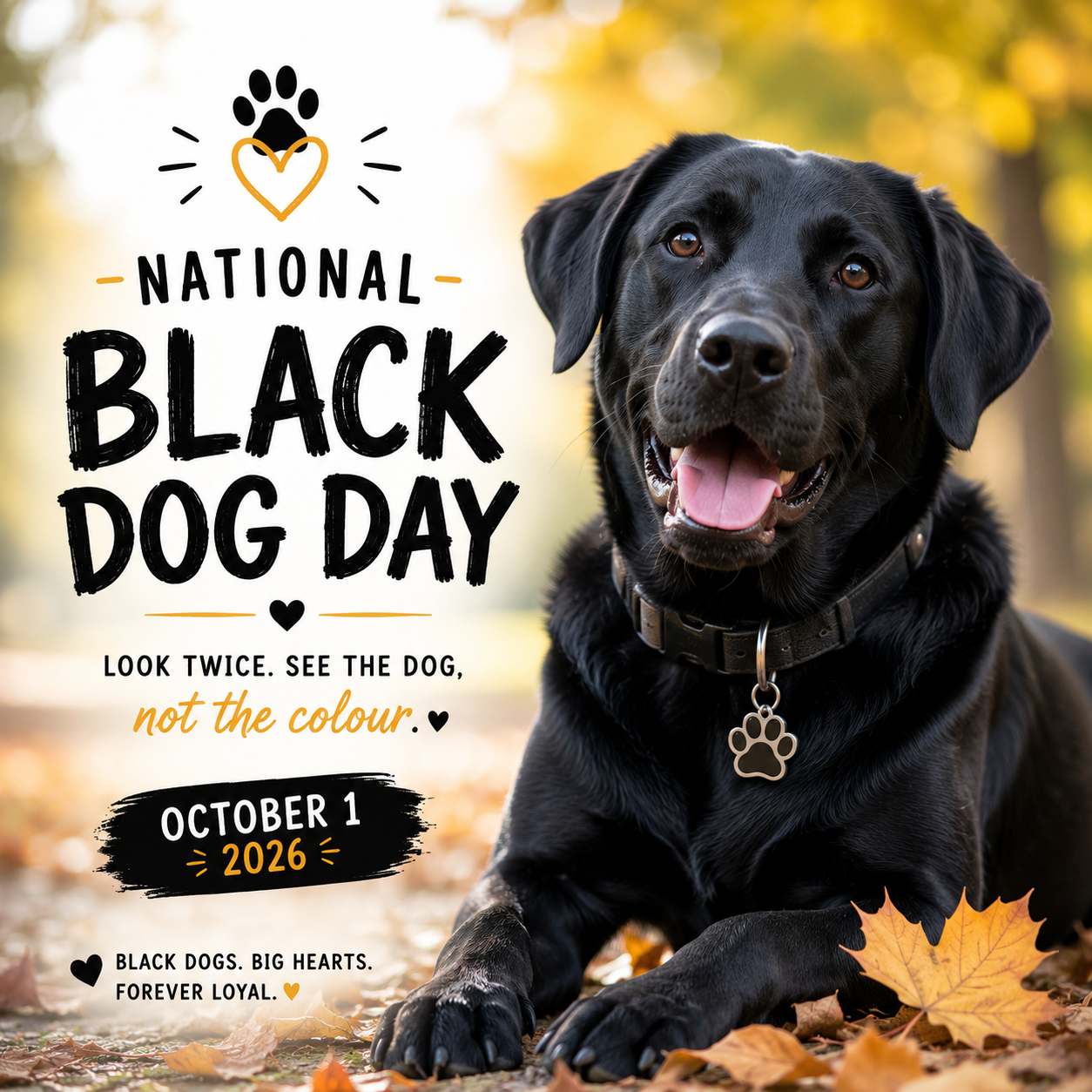
National Black Dog Day
Today, we’re shining a light on dogs who can sometimes disappear into the background.
Not because they have less personality.
Not because they have less love to give.
Not because they are less deserving of a home.
Simply because they are black.
National Black Dog Day is a reminder to look twice — and see the dog, not the colour.
🖤 Why Have Black Dogs Been Considered Overlooked?
You may have heard the term “Black Dog Syndrome” — the idea that black-coated dogs can be overlooked in shelters and rescues compared with lighter-coloured dogs.
It is important to be careful here: the research around whether black dogs are universally adopted more slowly is mixed, and coat colour is only one of many factors that can influence adoption. Age, size, breed label, behaviour, health, location, photography, and individual adopter preferences can all matter.
But there are still very real reasons why an individual black dog may be easier to overlook.
📸 They Can Be Harder to Photograph
Black dogs can be surprisingly difficult to photograph well.
Poor lighting can hide:
🐾 Their eyes
🐾 Their facial expressions
🐾 The shape of their features
🐾 Subtle markings
🐾 Their personality
A lighter-coloured dog may immediately stand out in a quick phone photo, while a black dog photographed in a dim kennel can become little more than a dark silhouette.
And today, when so many people first meet adoptable animals through a website or social-media post, a photograph can become a dog’s first chance to be noticed.
🏠 They Can Visually Disappear in Shelter Environments
Shelters and rescue environments are not photography studios.
Kennels may have:
🐾 Dark corners
🐾 Indoor lighting
🐾 Shadows
🐾 Busy backgrounds
🐾 Limited opportunities for perfect photos
A black dog sitting quietly toward the back of a kennel may simply be less visually noticeable than the dog next door.
That does not mean they have less personality.
Sometimes it means we need to slow down and look again.
🐕 First Impressions Can Be Unfair
Black dogs can also be affected by stereotypes.
Depending on a dog’s size, appearance, or assumed breed, a large black dog may sometimes be perceived as more intimidating before anyone has taken the time to learn who that dog actually is.
But coat colour does not tell you whether a dog is:
🐾 Affectionate
🐾 Playful
🐾 Shy
🐾 Confident
🐾 Goofy
🐾 Gentle
🐾 High-energy
🐾 Independent
🐾 Social
🐾 A world-class couch potato
Colour is not personality.
🐾 Meet the Individual Dog
At Active Paws, we believe strongly in looking at the dog in front of you.
Not simply the colour.
Not simply the breed label.
Not simply the first photograph.
Not simply the story someone assumes based on appearance.
Dogs are individuals.
Two dogs who look almost identical may have completely different needs, personalities, energy levels, histories, and preferences.
If you are considering adoption, ask questions about the individual dog:
🐾 What is their energy level like?
🐾 How do they respond to new environments?
🐾 What have caregivers observed about their personality?
🐾 Have they lived in a foster home?
🐾 What kind of household may suit them best?
🐾 What training or support might they need?
🐾 How do they communicate discomfort or uncertainty?
🐾 What helps them feel safe?
The goal should never be to adopt a dog because you feel sorry for them.
The goal is to find a thoughtful, realistic match that can last.
📱 Help a Black Dog Be Seen
You do not have to adopt today to participate in National Black Dog Day.
There are many ways to help.
🖤 Share an Adoptable Black Dog
Take a few minutes to look through adoption listings from shelters and rescues.
If a black dog has been waiting for a home, share their profile.
Your friend may not be looking.
But your friend’s friend might be.
Sometimes visibility travels further than we expect.
📸 Help With Better Photos
If you volunteer with a rescue or foster a black dog, thoughtful photography can make a meaningful difference.
Try:
🐾 Natural daylight
🐾 Bright, uncluttered backgrounds
🐾 Focusing on the eyes
🐾 Photographing outdoors when appropriate
🐾 Capturing personality and movement
🐾 Using video as well as still photos
Sometimes the difference between being scrolled past and being noticed is simply a photo that finally allows people to see the dog clearly.
🔎 Look Beyond the Biggest Organizations
As we shared for Remember Me Thursday, Alberta’s rescue community is much larger than one shelter or one well-known organization.
Across the province, dogs may be waiting through:
🐾 Humane societies and SPCAs
🐾 Municipal animal facilities
🐾 Independent rescues
🐾 Foster-based organizations
🐾 Rural rescues
🐾 Breed-specific rescues
🐾 Smaller volunteer-run groups
Some dogs are not sitting in public shelter buildings at all. They may be living quietly in foster homes while waiting for the right family to find them.
If you are genuinely ready to adopt, look beyond the first page of search results.
🖤 Already Love a Black Dog?
Then today is also a celebration.
Share the photo where the lighting finally caught their face perfectly.
Tell people what makes them ridiculous.
Tell us about the strange sleeping position.
The obsession with one particular toy.
The dramatic sighs.
The muddy adventures.
The way they somehow become completely invisible in a dark hallway until you nearly trip over them.
Celebrate the individual dog behind the black coat.
🐾 Look Twice
National Black Dog Day is not about asking people to adopt a dog solely because of coat colour.
It is about making sure coat colour is not the reason a wonderful dog goes unseen.
So today, take another look.
Pause on the photo you might normally scroll past.
Notice the eyes hidden in the shadows.
Read the full adoption profile.
Ask about the dog behind the picture.
And remember that across Alberta, there are dogs waiting in shelters, foster homes, municipal facilities, rural communities, and independent rescues — including beautiful black dogs whose personalities cannot be captured by the colour of their coat.
Look twice.
See the dog, not the colour. 🖤🐾
— Active Paws
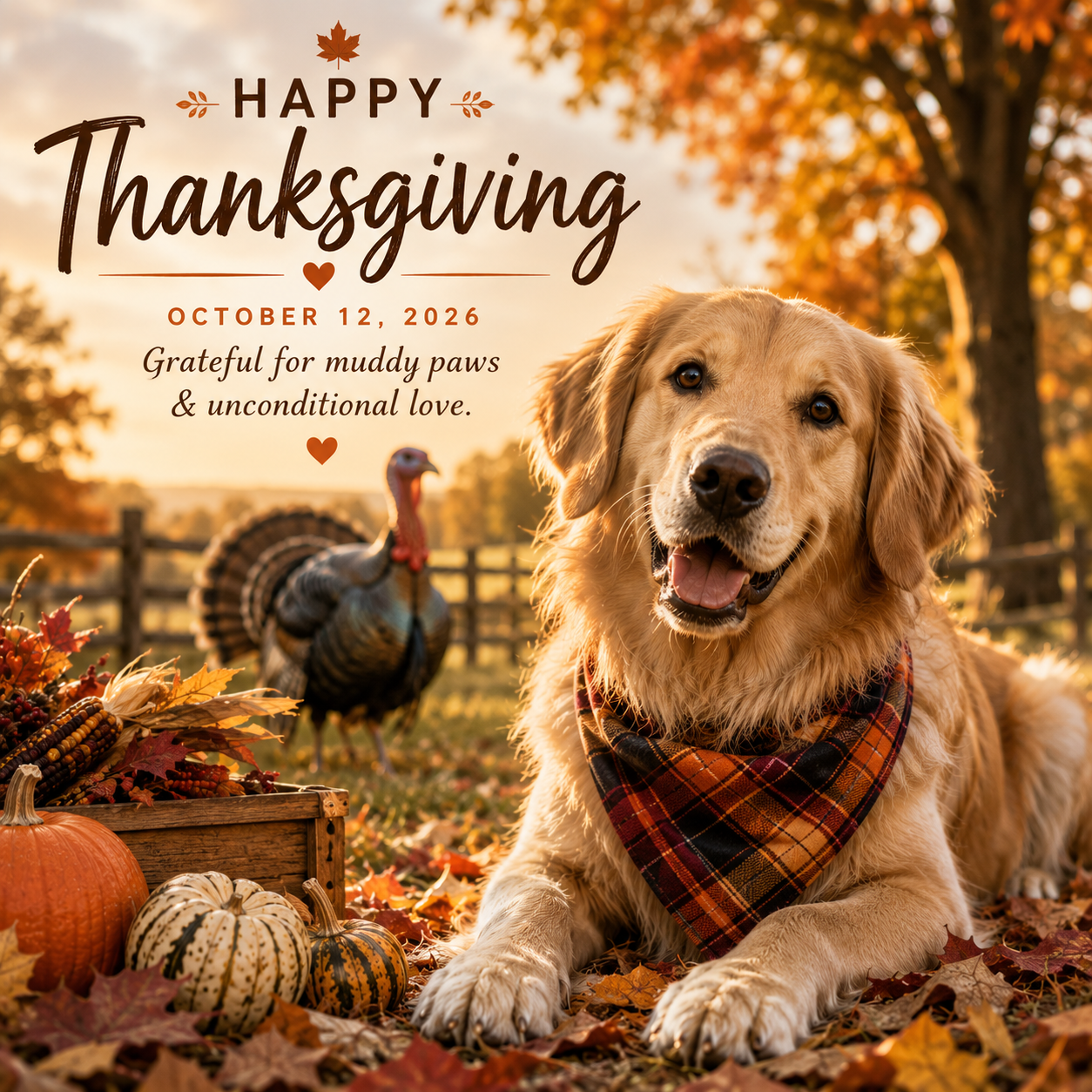
Thanksgiving Day
Thanksgiving is a time to slow down and notice what we are grateful for — family, home, community, warm meals, changing seasons, and the loyal dogs who walk beside us through it all.
Our dogs may not understand the holiday, but they understand togetherness. They notice the extra people, the familiar smells, the cozy routines, and the moments when we pause long enough to simply enjoy being with them.
Today, we are grateful for the muddy paws, happy tails, goofy habits, quiet companionship, and unconditional love dogs bring into our lives every day.
Thanksgiving Dinner Idea for Dogs
Here is a simple dog-friendly Thanksgiving bowl idea.
Thanksgiving Pup Bowl
Ingredients:
Plain cooked turkey, chopped
Plain cooked sweet potato or pumpkin
Plain green beans
Plain cooked carrots
A spoonful of plain rice or oats, optional
Directions:
Mix a small portion together and serve as a special topper with your dog’s regular meal.
Important: Keep it plain. Avoid gravy, onions, garlic, butter, stuffing, cooked bones, heavy seasoning, raisins, grapes, chocolate, and desserts. Treat this as a small holiday extra, not a full meal replacement.
Grateful hearts. Full homes. Happy paws. 🐾
— Active Paws
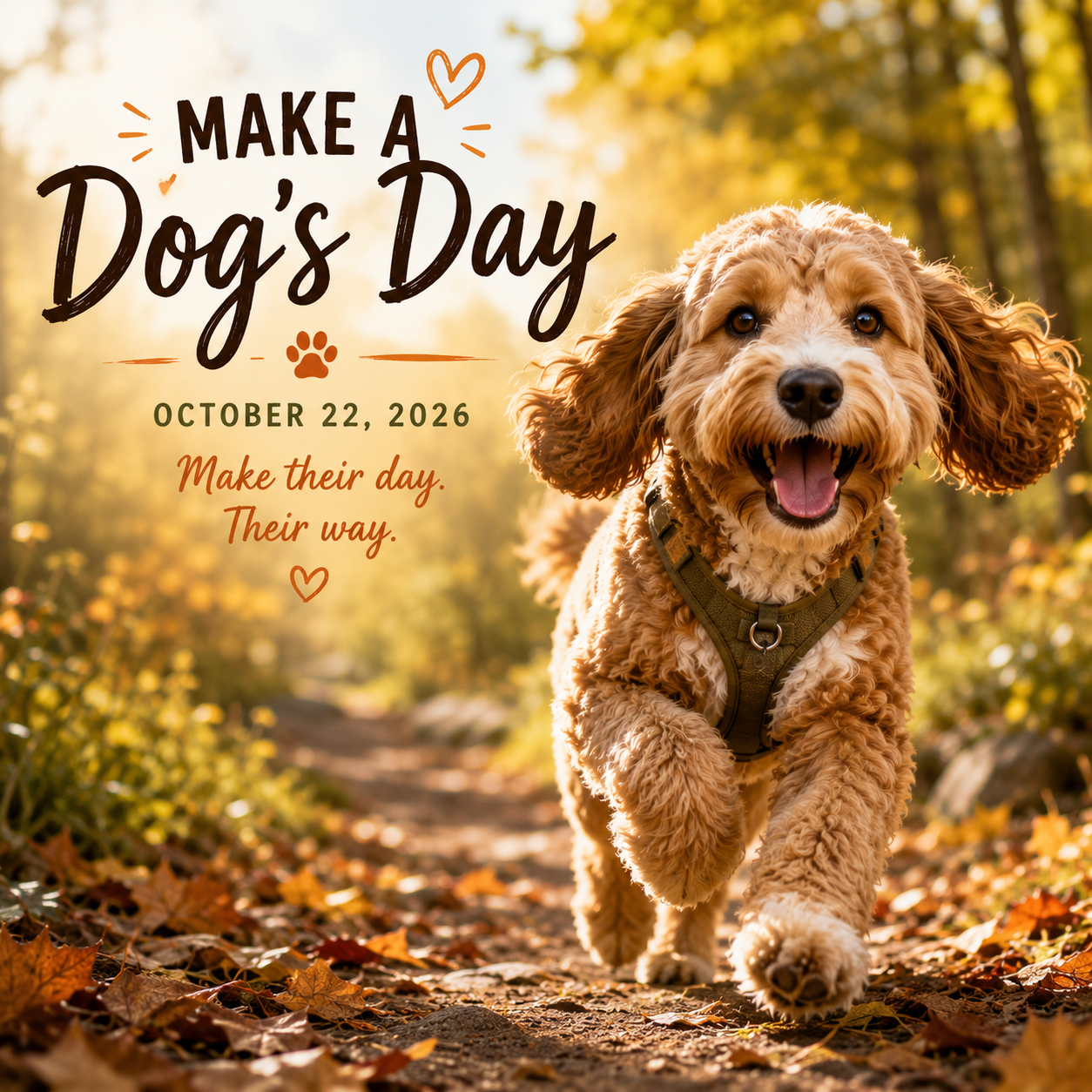
Make a Dog’s Day
Today is all about one simple question:
What would make your dog’s day?
Not what looks cutest on social media.
Not what every other dog seems to enjoy.
Not necessarily a new toy, an expensive treat, or a big adventure.
What would make your individual dog happy?
Make a Dog’s Day is a wonderful reminder to slow down, pay attention, and celebrate the dogs who bring so much into our lives.
Because every dog is different.
One dog may dream of racing through a field.
Another may choose twenty uninterrupted minutes of sniffing the same patch of grass.
One may love meeting new friends.
Another may be happiest when everyone gives them space.
One may want an adventure.
Another may want the softest blanket in the house and absolutely no plans.
Today, the goal is simple:
Make their day. Their way.
👃 Let Them Take a Sniffari
For many dogs, one of the easiest ways to make a day special is to stop rushing the walk.
Let them sniff.
Let them investigate.
Let them gather information about who passed by, what changed overnight, and what interesting smells appeared since yesterday.
Try a sniffari — a walk where exploration is part of the purpose.
That might mean:
🐾 Moving at your dog’s pace
🐾 Allowing extra time at interesting smells
🐾 Choosing a quieter route
🐾 Exploring somewhere new
🐾 Focusing less on distance and more on experience
You may not travel far.
Your dog may still think it was an excellent adventure.
🗺️ Let Your Dog Choose the Route
If it is safe and appropriate, try giving your dog a little more choice today.
At the next corner, see which direction they want to go.
Pause at a pathway and let them investigate.
Follow their curiosity.
You still make the safety decisions — but allowing a dog some appropriate choice can make an ordinary walk feel completely different.
Maybe your dog leads you somewhere exciting.
Maybe they take you directly to the neighbour’s garbage bin.
Either way, you may learn something about what matters to them.
🔎 Create a Treat Treasure Hunt
Turn your home or yard into a simple scent-search game.
Hide small pieces of your dog’s regular food or appropriate treats in easy-to-find locations and encourage them to search.
Start simple.
You might place treats:
🐾 Beside a chair leg
🐾 Near a doorway
🐾 Under the edge of a towel
🐾 Around a safe room
🐾 Across the yard
Let your dog use their nose to solve the problem.
For beginners, make the first searches very easy so they understand the game.
📦 Make a Simple Enrichment Box
Have a cardboard box waiting for recycling?
Depending on your dog’s behaviour and supervision needs, you can create a simple enrichment activity using safe materials.
You might place a few treats among loosely crumpled paper and let your dog search.
Important: This is not suitable for every dog. If your dog eats cardboard, paper, or non-food items, choose a different activity. Supervise appropriately.
Enrichment should be enjoyable — not an emergency vet visit.
🧸 Bring Back Their Favourite Game
Sometimes making a dog’s day does not require creativity.
What game do they already love?
🐾 Fetch
🐾 Tug
🐾 Find it
🐾 Hide-and-seek
🐾 Chasing a toy
🐾 Searching for treats
🐾 Practising favourite tricks
🐾 Digging in an appropriate space
Put your phone down for ten minutes and give them your full attention.
For some dogs, that may be the best gift of the day.
🌲 Take Them Somewhere New
A new environment can offer an entirely different world of smells and experiences.
Depending on your dog’s comfort level, consider:
🐾 A quiet trail
🐾 A new neighbourhood
🐾 A different park
🐾 A peaceful natural area
🐾 A pet-friendly outing
🐾 A short drive to a favourite walking location
But remember:
New does not automatically mean better.
For a nervous or easily overwhelmed dog, a familiar place may be much more enjoyable than a busy adventure.
Choose for the dog you have.
🐕 Give a Senior Dog Their Kind of Adventure
Making a dog’s day does not have to mean a long hike.
For a senior dog, happiness might look like:
🐾 A slow sniff around the block
🐾 A comfortable ride to a favourite place
🐾 Sitting together outside
🐾 A gentle search game
🐾 Extra time in the sunshine
🐾 A quiet visit with someone they love
🐾 A soft new resting spot
Older dogs still deserve adventure.
Sometimes adventure simply moves at a different pace.
🧠 Teach Something Fun — With No Pressure
Training does not always need to focus on fixing problems.
Teach something just because it is fun.
You could try:
🐾 Touching a hand target
🐾 Finding a hidden toy
🐾 Going around an object
🐾 Putting paws on a safe platform
🐾 Learning the name of a toy
🐾 Practising a favourite trick
Keep the session short, positive, and appropriate for your dog.
The goal today is connection — not perfection.
🛋️ Cancel the Adventure
Yes, really.
Some dogs do not want a big day.
If your dog has had a busy week, is older, is easily overwhelmed, or simply loves being home, making their day may mean doing less.
Maybe today is:
🐾 A cozy blanket
🐾 A quiet house
🐾 A gentle cuddle — if they enjoy touch
🐾 An afternoon nap
🐾 Sitting together by the window
🐾 No unnecessary social interactions
Rest is a need too.
🐾 Make a Rescue Dog’s Day
You can also celebrate a dog who is still waiting for a family.
Consider:
🐾 Sharing an adoptable dog’s profile
🐾 Donating from a rescue wish list
🐾 Sponsoring part of an adoption fee where appropriate
🐾 Volunteering your skills
🐾 Supporting a foster-based rescue
🐾 Sharing a long-term resident
🐾 Donating toward veterinary care
And remember: Alberta has many animal-welfare organizations beyond the largest and most familiar names.
Dogs may be waiting through independent rescues, foster-based organizations, rural rescues, municipal facilities, breed-specific groups, and smaller volunteer-run organizations throughout the province.
Sometimes making a dog’s day begins with helping them be seen.
💛 The Best Gift Is Knowing Your Dog
The heart of Make a Dog’s Day is not doing something extravagant.
It is paying attention.
What makes your dog light up?
What helps them relax?
What do they repeatedly choose?
What makes the tail start moving?
What activity makes them completely lose track of everything else?
What does happiness look like for them?
Today, try giving your dog one experience chosen specifically for who they are.
A long sniff.
A favourite game.
A quiet nap.
A new trail.
A treat search.
A slow senior stroll.
Ten uninterrupted minutes together.
Because making a dog’s day does not have to be complicated.
Know your dog. Notice what they love. Make their day — their way. 🐾💛
— Active Paws
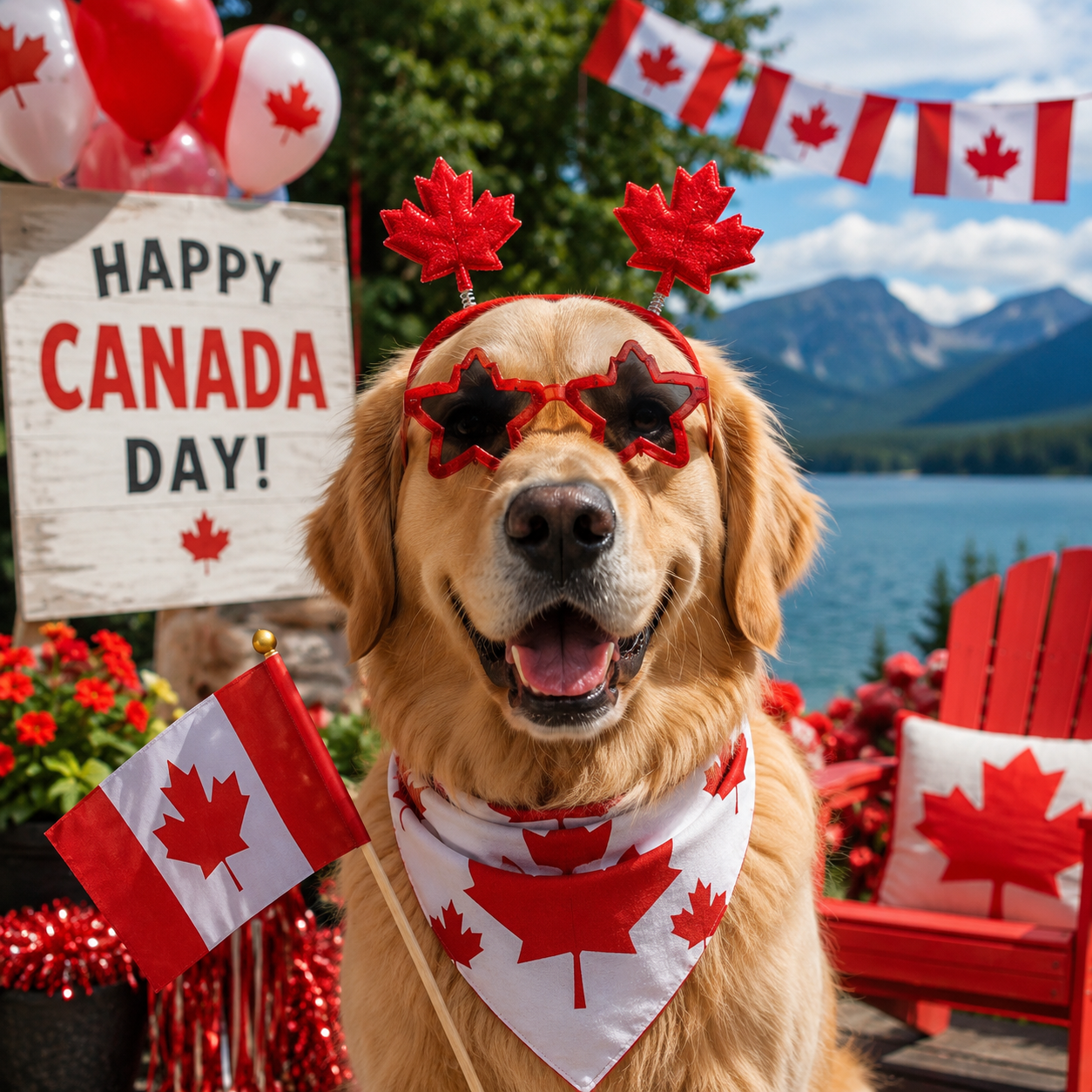
Canada Day
Today we celebrate the beautiful country we call home — its people, communities, landscapes, and the adventures we share with our four-legged family members.
From neighbourhood walks and river valley trails to backyard barbecues and summer adventures, we hope your Canada Day is filled with happy memories, wagging tails, and plenty of time spent together.
🎆 A Special Fireworks Safety Reminder for Dog Owners
While fireworks may be exciting for us, the sudden flashes, loud bangs, and vibrations can be frightening and overwhelming for many dogs. Even dogs who are normally calm and confident may panic or try to escape when startled.
Help keep your dog safe this Canada Day:
🐾 Walk earlier in the day before fireworks are likely to begin.
🐾 Keep dogs leashed outdoors — even in familiar areas. A frightened dog may suddenly bolt.
🐾 Bring pets inside before dark and secure doors, gates, windows, and screens.
🐾 Create a quiet, comfortable space where your dog can retreat if they feel overwhelmed.
🐾 Close curtains and windows to reduce sudden flashes and outside noise.
🐾 Use familiar background sound such as a television, fan, or calming music to help soften unexpected bangs.
🐾 Make sure ID tags and microchip information are current in case your dog becomes frightened and escapes.
🐾 Never take a fearful dog to a fireworks display. Being close to the noise and crowds can increase stress and the risk of escape.
🐾 Plan ahead for dogs with severe noise sensitivity. If your dog has a history of extreme fear around fireworks, speak with your veterinarian before the holiday about safe support options.
One More Important Reminder ❤️
If you see a frightened dog running loose during or after fireworks, please don’t assume they were intentionally allowed to roam. They may have escaped in panic.
If it is safe to do so, help by contacting local animal services, checking for identification, and sharing accurate lost-pet information with your community.
Celebrate proudly. Celebrate safely. Keep every paw protected. 🇨🇦🐾
Happy Canada Day from Active Paws!